
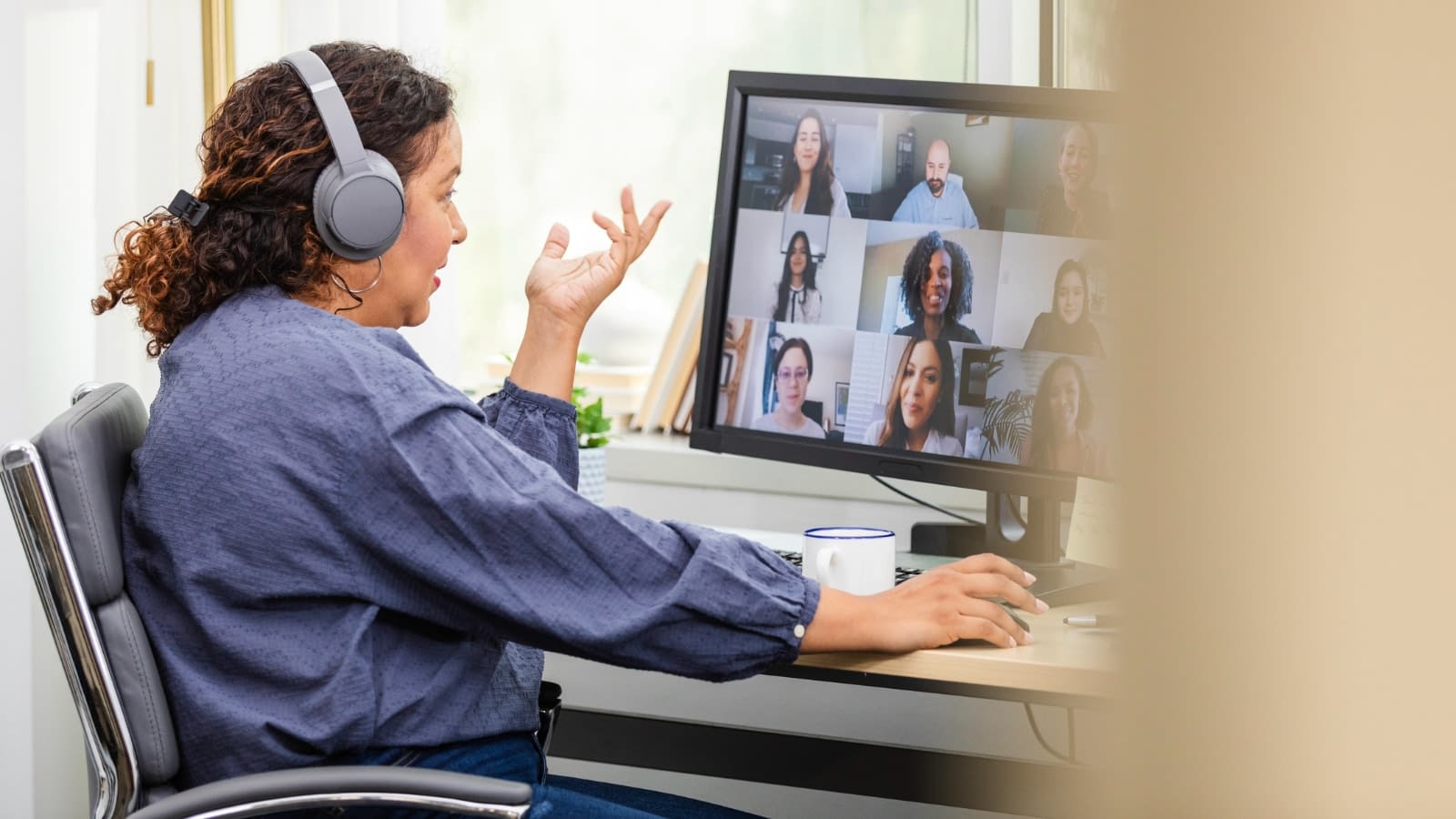
Define what “good work” looks like before you define when it happens. Write down deliverables by role, expected response windows (for example, same business day on chats, 24 hours on email, 48 hours on non-urgent tickets), and “meeting hygiene” rules: agendas published 24 hours ahead, start/stop on time, clear owners and decisions, notes posted in a shared space. Handle time-zone fairness with rotating meeting times and “core collaboration windows” (e.g., 10 a.m.–2 p.m. in the majority time zone). Asynchronous tools, like project boards, recorded demos, and written updates, keep 6 a.m. from becoming everyone’s problem.
Security Without the Scare Tactics
Make multi-factor authentication mandatory for email, SSO (single sign-on), and any admin console. Specify accepted factors (e.g., app or hardware key over SMS, where possible). Publish device standards: full-disk encryption, automatic screen lock at 5–10 minutes, OS/browser patching within seven days of release for critical fixes, and endpoint detection and response running at all times.
Require VPN access to internal resources. Document when split-tunneling is allowed and when full-tunneling is required. Spell out cyber insurance dependencies employees should know phishing training completion, MFA on remote access, privileged account separation, and prompt incident reporting. Backups should follow a 3-2-1 pattern (three copies, two media, one offsite/immutable) with quarterly recovery tests so “we have backups” means “we can restore.”
Stipends, Gear, and Ergonomics
List what the company buys, what it loans, and what it reimburses. Typical ranges: a one-time home-office stipend with a cap (for chair, monitor, webcam, lighting) and a monthly internet/cell reimbursement tied to documented service. Use standard gear lists to curb abuse: one external monitor up to a set size, ergonomic keyboard/mouse, and a task chair that meets adjustable support criteria. Provide an ergonomics checklist: screen top at or just below eye level, elbows at 90–110 degrees, feet supported, and 20-20-20 eye breaks. Require employees to report work-related strains early and offer a quick path to a virtual ergonomics consult; prevention costs less than workers’ comp claims and lost productivity.
Inclusion in the Distributed Era
Codify facilitation norms: nominate a moderator, call on quieter voices, and default to hand-raise or round-robin for decisions. Cameras should be “encouraged but optional” with alternatives for bandwidth or neurodiversity needs. Keep chat channels searchable and on-topic; create watercooler spaces for casual connection. For new hires, pair a buddy outside their team for 30–60 days, schedule structured one-on-ones in week one, and provide a written onboarding map with owners, due dates, and success criteria. Short, recurring “office hours” with cross-functional leaders reduce DM (direct message) silos and build trust.
Compliance and Coverage
Remote does not remove obligations. Confirm workers’ comp applies in the employee’s work state and any temporary work location; some states require specific notices or telework addenda. If employees drive for company errands, verify business-use endorsements on personal autos and consider hired/non-owned auto coverage.
Company equipment off-premises may need a property “inland marine” rider beyond the standard location limit. Publish data retention timelines for HR, finance, and customer records, and define secure disposal. If you use device monitoring or productivity analytics, disclose it, narrow the scope to business data, and document privacy safeguards and access controls. For wage-and-hour roles, you must require accurate time tracking, meal and rest compliance, and written approval for overtime, and train managers on the process to honor these.
Put Policy Into Practice
A remote policy works when it balances trust, clarity, and protection. Ask your local Illinois agent to review your risks, budget, and culture to craft a secure, inclusive, and legally sound policy, minus the red tape. We’ll help align group benefits, cyber requirements, and insurance coverage so your distributed team can work confidently from anywhere.